The Ultimate Mount Rinjani Trekking Guide
Mount Rinjani, the second-highest volcano in Indonesia at 3,726 metres, offers one of Southeast Asia’s most epic and challenging trekking adventures. Located on Lombok Island, this trek features stunning landscapes, including alpine savannahs, crater rims, hot springs, and the serene Segara Anak crater lake.
Key Trekking Routes:
There are two main routes to climb Mount Rinjani:
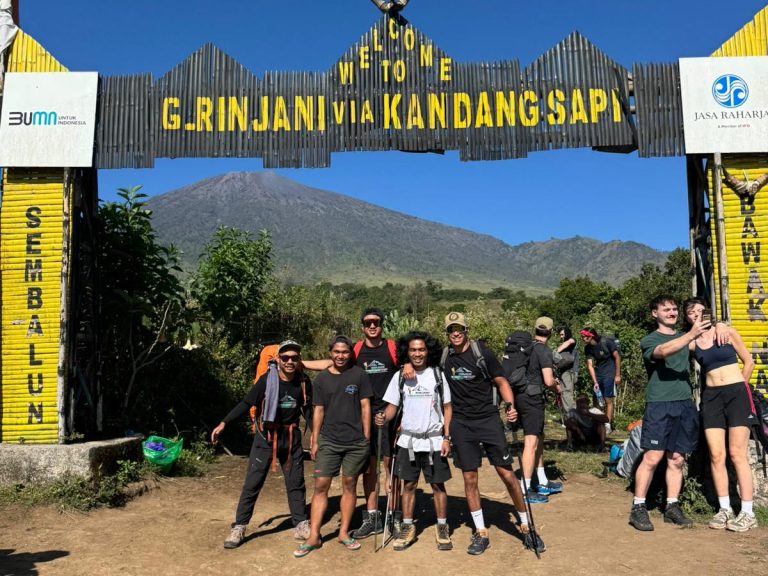
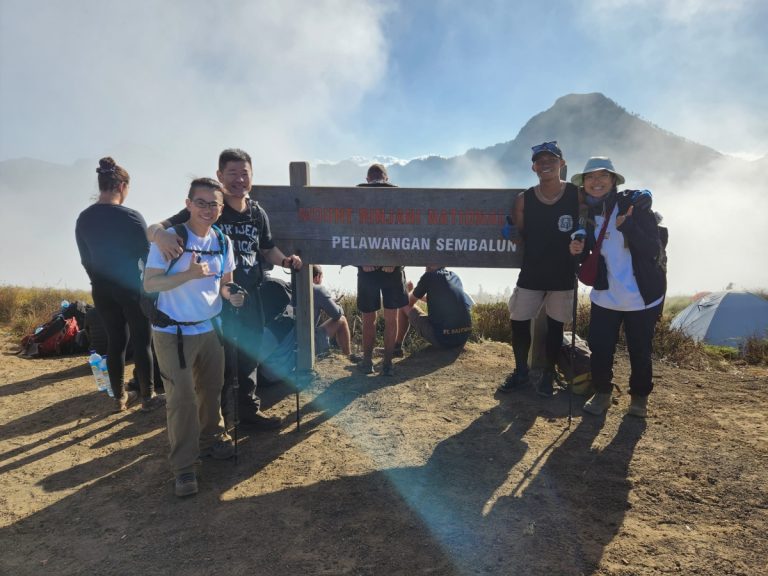
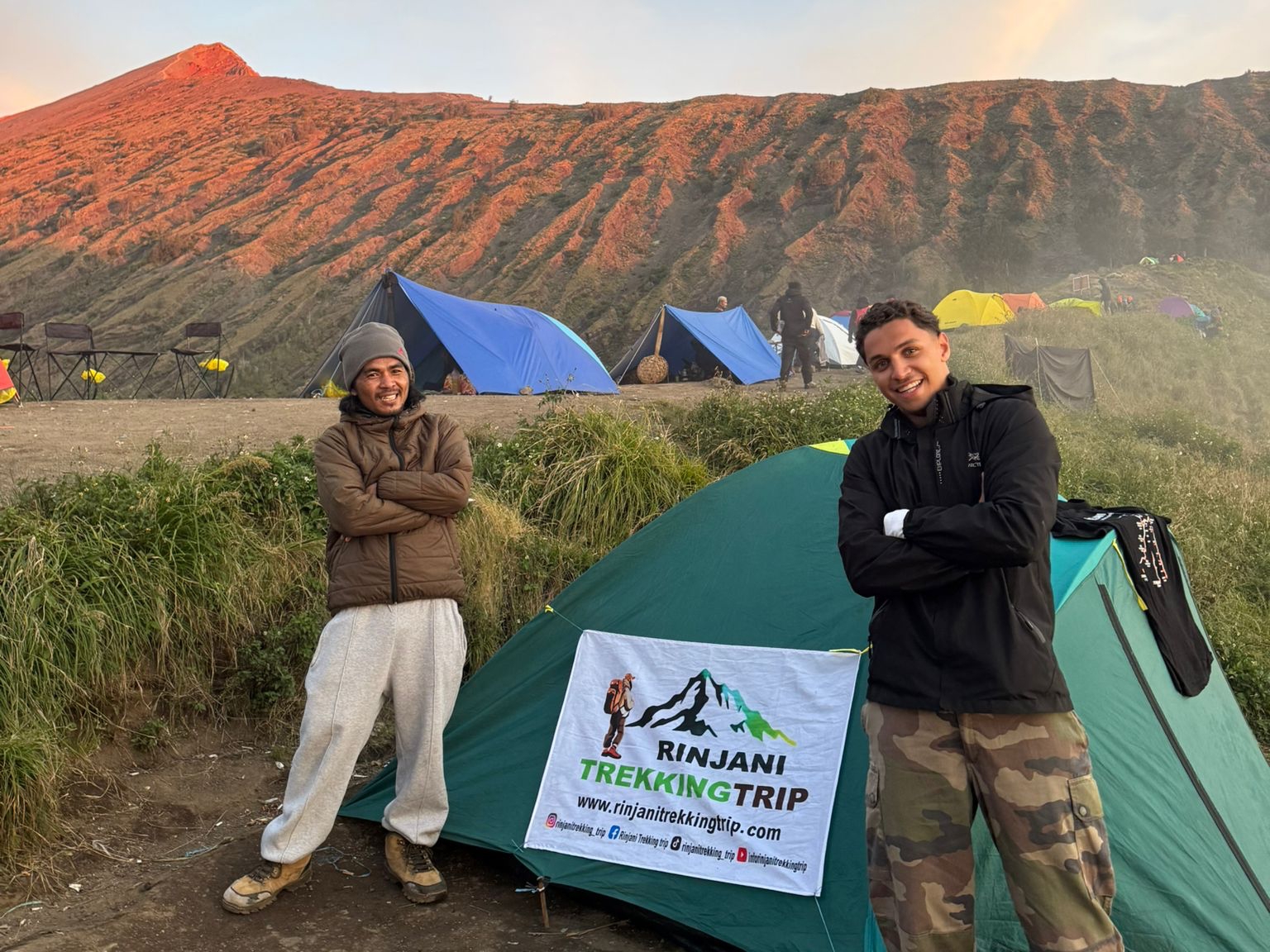
– Sembalun Route: Favoured for its easier initial day and panoramic open terrain, starting in the traditional Sembalun village (1,150 m elevation). Trekkers often begin here to conserve energy for the summit challenge and to avoid retracing steps. This route leads hikers through savannahs and alpine trees, culminating in a steep climb to the Sembalun Crater Rim campsite.
– Senaru Route: Starting from Senaru village, this route takes hikers through dense rainforest and is popular for those aiming to visit the crater lake and hot springs without necessarily summiting.
A typical full trek combines ascending via Sembalun and descending via Senaru, allowing trekkers to experience both routes and see the crater lake and hot springs.
Trekking Itinerary Overview:
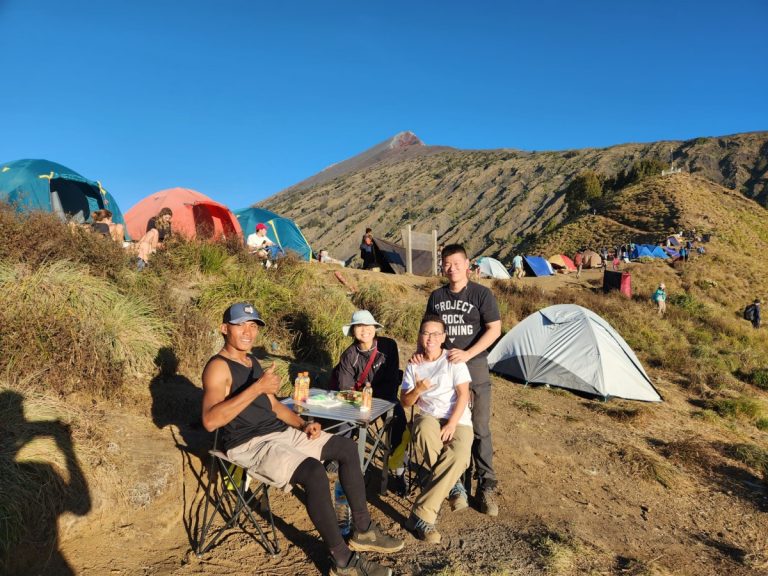
– Day 1: Registration and health check followed by a 6-7 hour hike from Sembalun village to the crater rim at about 2,639 metres. The trail gradually shifts from savannah to alpine forest with some steep parts near the campsite.
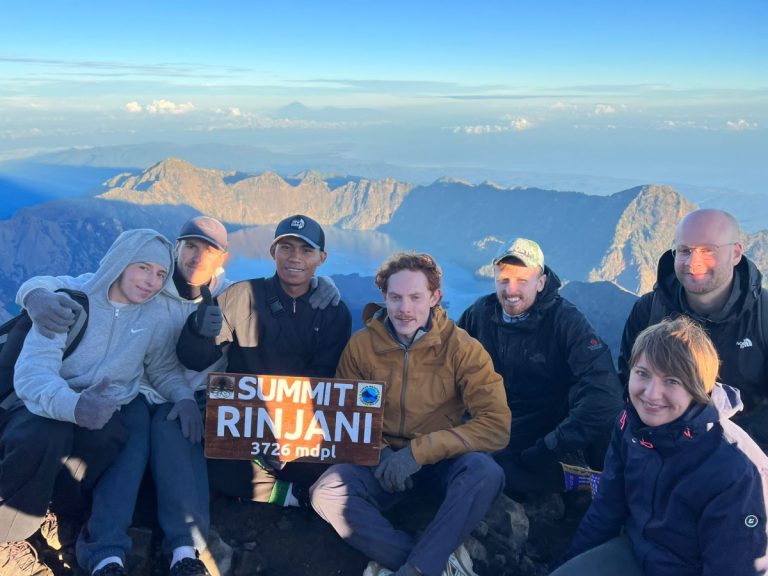
– Day 2: Summit day starts around 2-3 AM to reach the peak by sunrise. It involves a strenuous 3-4 hour climb of another 1,000 metres along a steep, rocky path with loose stones. At the summit, panoramic views of Lombok, Bali, and Mount Tambora greet you. The descent leads down to the crater lake and nearby hot springs for rest and relaxation.
– Day 3-4: Additional descent from the crater lake to the Senaru village or Sembalun village, completing around 27.5 kilometres of trekking over 3-4 days.
Preparation Tips:
– Be ready for steep, slippery, and challenging terrain with minimal trail maintenance.
– Pack warm and windproof clothing, as temperatures can drop near freezing at the summit even during summer.
– Carry adequate water, snacks, and trekking poles to aid in the tough sections.
– Use a reputable guide and tour service to secure permits, assist navigation, and ensure safety.
Best Time to Trek:
– The dry season from April to October is ideal to avoid slippery and dangerous trails.
Mount Rinjani trekking is highly demanding physically and mentally but rewards adventurers with breathtaking landscapes and unforgettable experiences on Indonesia’s wild volcanic frontier.
If you are prepared and determined, this ultimate Rinjani trekking guide will help you plan and conquer the majestic Mount Rinjani trek safely and successfully.