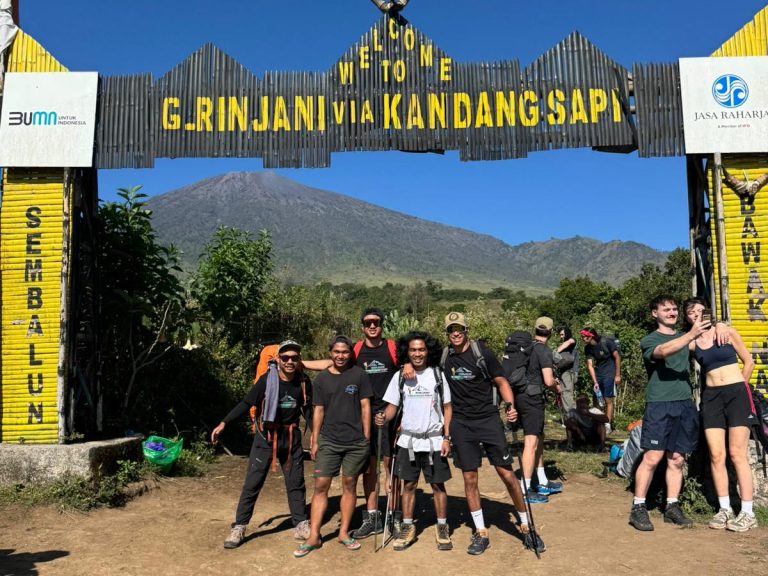

Mount Rinjani trekking safety protocols
Mount Rinjani trekking safety protocols focus on ensuring climbers’ well-being and preventing accidents on its challenging trails. Key safety measures and protocols include:
1. Licensed Guides and Small Groups: Trekkers must be accompanied by certified guides, with typical group sizes limited to a maximum of 4–6 trekkers per guide to facilitate monitoring and quick emergency response.
2. Pre-Trek Health Checks: Climbers often need to show a health certificate issued within 24 hours before the trek, confirming physical fitness and absence of contagious diseases.
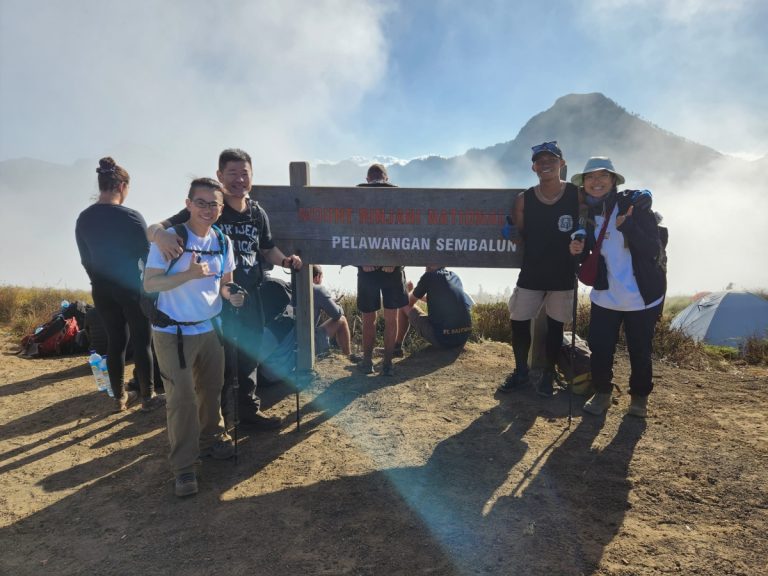
3. Trail Safety Improvements: Ongoing trail maintenance includes installing stairs, safety ropes, handrails, and rock steps at hazardous sections, especially from Pelawangan Sembalun to Segara Anak Lake, to reduce slips and falls.
4. Emergency Preparedness: Guides and porters are trained in basic first aid and emergency rescue procedures. Emergency communication equipment and oxygen supplies for altitude sickness are carried during treks. Plans are underway for rescue centres and additional emergency stations along the route.
5. Altitude Sickness Awareness: Trekkers are advised to monitor symptoms like headache, nausea, or dizziness and to descend immediately if serious symptoms occur. Guides watch for altitude sickness throughout the trek.
6. Environmental and Ethical Safety: Strict rules prohibit littering, cutting trees, lighting fires, or disturbing wildlife. Eco-trekking principles help preserve the environment, which is critical for long-term trekker safety.
7. Seasonal and Weather Considerations: Trekking during the dry season (April to October) is strongly recommended. Avoid trekking in rainy or stormy conditions due to increased trail hazards.
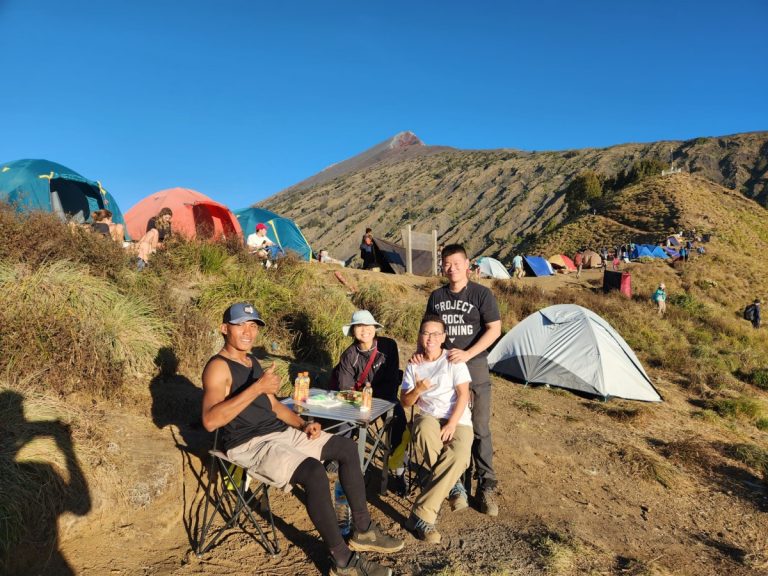
8. Mandatory Registered Routes and Camping: Trekkers must stick to official routes and camp only in designated areas to reduce risk and environmental damage.
9. Safety Protocol Updates: In response to recent accidents, the Indonesian government and park authorities have tightened supervision, increased safety training for guides and porters, and enhanced the digital guidance system for climbers.
10. Insurance: It’s advised trekkers have travel insurance covering trekking and emergency evacuation.
Following these protocols with a licensed operator ensures a safer and more enjoyable Mount Rinjani trekking experience. Mount Rinjani trekking safety protocols emphasise the importance of guided treks with licensed, trained guides and small group sizes to ensure close monitoring and quick emergency response.
Climbers must provide a health certificate before starting, confirming fitness to trek. Trail improvements include safety ropes, stairs, and rails in hazardous areas. Guides and porters are trained in first aid and emergency rescue, carrying oxygen and communication equipment for altitude sickness and injuries.
Trekkers should be vigilant for altitude sickness symptoms (headache, nausea, dizziness) and descend immediately if they worsen. Environmental protection rules forbid littering, fires, and disturbing wildlife, supporting long-term safety. Trekking during the dry season with proper gear is advised. Recent government measures include stricter supervision, additional rescue equipment along routes, and digital guidance tools.
Travel insurance covering emergencies is recommended. These protocols aim to make Mount Rinjani trekking safer amidst its challenging terrain and weather conditions.